When discussing modern urban mobility and fast transportation options across the globe, the word taxi immediately comes to mind. It represents more than just a car; it stands for accessibility, speed, and reliability. This article takes an in-depth dive into the world of the taxi, exploring its rich history, its economic impact, its evolution with modern technology, and what the future holds for this critical element of city infrastructure.
The Evolution of the taxi
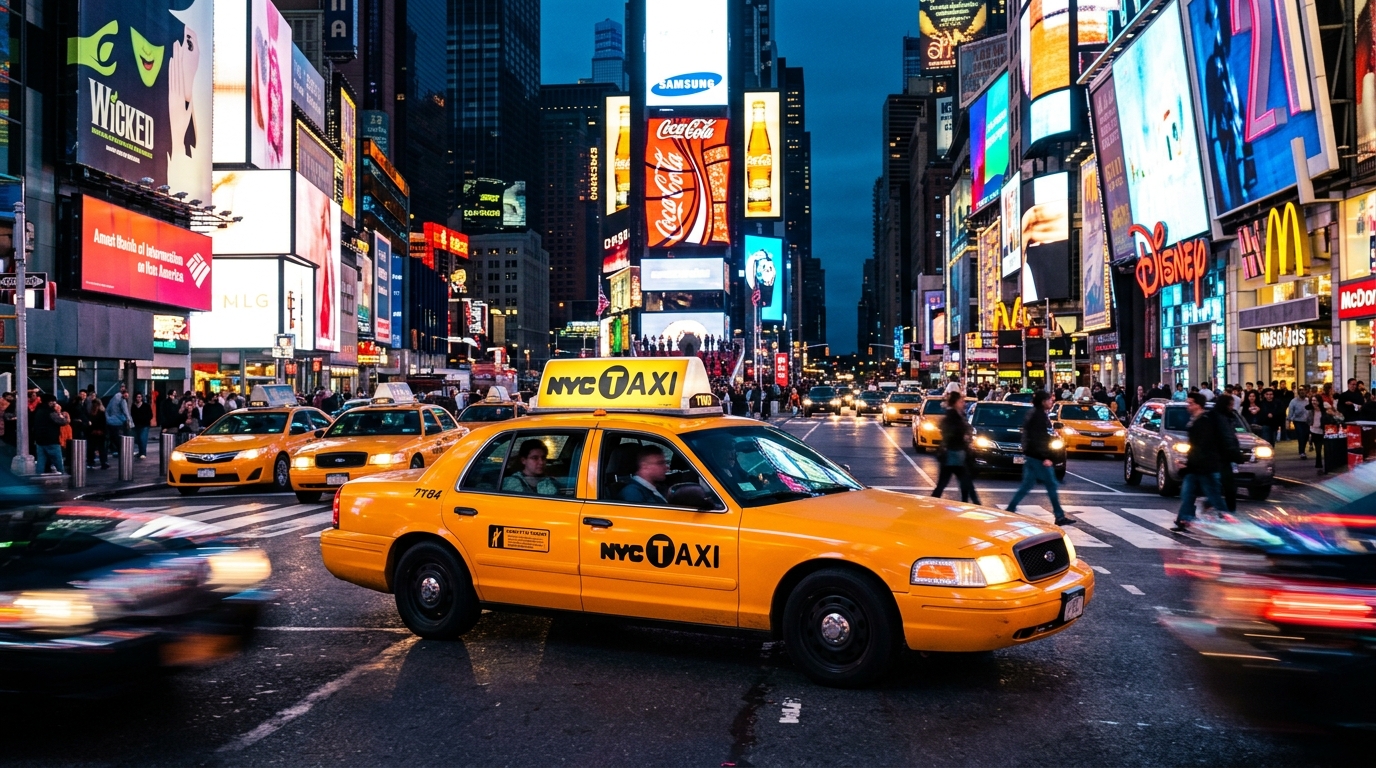
The concept of the taxi has been around for centuries, long before the invention of the combustion engine. In the early days, horse-drawn carriages served as the primary mode of hired transport. Fast forward to the 20th century, and the motorized taxi revolutionized how people moved through rapidly expanding urban centers. The iconic yellow cabs of New York, the black cabs of London, and the colorful fleets in diverse global cities all cemented the taxi as a cultural and practical staple.
As populations grew, so did the demand for efficient transit. The taxi adapted by introducing meters, radios for dispatch, and later, GPS technology. This evolution not only improved the efficiency of the taxi but also enhanced the safety and experience of passengers. Today, when you hail a taxi, you are participating in a legacy of continuous urban innovation.
How the taxi Impacts Urban Economics
The economic footprint of the taxi industry is massive. It provides livelihoods for millions of drivers, dispatchers, and maintenance crews worldwide. Beyond employment, the taxi serves as the circulatory system of a city, connecting business districts, residential areas, airports, and tourist attractions.
Without the reliable service of a taxi, many urban centers would face crippling congestion and reduced economic activity. Businesses rely on the taxi to ensure that employees and clients can navigate cities without the burden of private car ownership. Furthermore, the taxi industry generates significant revenue through licensing, taxation, and related automotive services, making it an indispensable pillar of local economies.
Moreover, the modern taxi has adapted to environmental concerns by incorporating hybrid and electric vehicles. This shift not only reduces the carbon footprint but also lowers operating costs for drivers. The integration of sustainable practices shows that the taxi is capable of evolving in tandem with global economic and environmental goals.
The Technological Revolution of the taxi
In the past decade, the word taxi has taken on new meaning with the advent of ride-hailing applications. Traditional taxi services have had to innovate to remain competitive. Today, you can book a taxi with a simple tap on your smartphone, track its arrival in real-time, and pay seamlessly without cash.
This digital transformation has forced the traditional taxi sector to upgrade its infrastructure. Many traditional taxi companies now offer their own apps, ensuring they provide the same level of convenience as tech-giant competitors. The use of big data and artificial intelligence helps taxi dispatchers predict demand surges, optimize routes, and reduce wait times for passengers.
Furthermore, the physical taxi itself is becoming a hub of technology. Features like in-car Wi-Fi, advanced safety sensors, and integrated payment terminals are becoming standard. This ensures that every taxi ride is not only a journey from point A to point B but a comfortable, connected experience.
The Future of the taxi: Autonomous Vehicles and Beyond
As we look to the horizon, the future of the taxi is thrilling. Autonomous, or self-driving, vehicles are no longer science fiction; they are becoming a reality on city streets. The autonomous taxi promises to further revolutionize urban transport by eliminating human error, reducing traffic accidents, and providing 24/7 availability.
Cities around the world are already piloting autonomous taxi fleets. These vehicles use an array of sensors, LiDAR, and advanced machine learning algorithms to navigate complex urban environments. The transition to the autonomous taxi will undoubtedly disrupt the current employment landscape but will also create new opportunities in fleet management, software development, and vehicle maintenance.
Additionally, the concept of the flying taxi (eVTOL - electric vertical takeoff and landing) is gaining traction. Imagine bypassing ground traffic entirely by taking a flying taxi across the city. This leap in technology will redefine the taxi from a strictly terrestrial vehicle to a multi-dimensional transport solution.
Choosing the Right taxi for Your Needs
With so many options available today, selecting the right taxi depends on your specific requirements. Whether you need a standard sedan for a quick cross-town trip, a spacious SUV for a family airport transfer, or an eco-friendly electric taxi to align with your green values, the modern market has it all.
When booking a taxi, it is essential to consider factors like the reputation of the company, the pricing structure, and the safety measures in place. The best taxi services prioritize passenger comfort and vehicle maintenance. Always look for a licensed and well-reviewed taxi provider to ensure a smooth and secure journey.
For tourists, a local taxi can also serve as an impromptu guided tour. Many experienced taxi drivers possess a wealth of local knowledge, offering insights into hidden gems, cultural landmarks, and the best dining spots that you won't find in a standard guidebook. In this way, the taxi becomes an integral part of the travel experience itself.
The Cultural Significance of the taxi
The taxi has permeated popular culture, appearing in countless movies, songs, and books. It serves as a symbol of urban life, fleeting encounters, and the dynamic nature of the city. The confined space of a taxi creates a unique social environment where people from different walks of life interact, share stories, and briefly connect before going their separate ways.
From the gritty realism of 1970s cinema to modern romantic comedies, the taxi is often the setting for pivotal scenes and deep conversations. This cultural footprint highlights how the taxi is more than just transport; it is a moving theater of human experience. Every taxi holds thousands of stories within its doors.
Conclusion: The Enduring Legacy of the taxi
In summary, the taxi remains a fundamental component of our global transportation network. From its humble origins to its high-tech present and autonomous future, the taxi has consistently proven its resilience and adaptability. As cities grow and technology advances, the taxi will continue to evolve, offering safe, reliable, and innovative ways to move people.
Whether it's a traditional yellow cab or a sleek, app-hailed electric vehicle, the taxi is here to stay. It not only drives our economies but also shapes our urban culture. The next time you step into a taxi, take a moment to appreciate the centuries of history and the cutting-edge technology that makes your journey possible. The legacy of the taxi is firmly written in the streets of our cities, moving us forward, one ride at a time.
leave your comment here